Get Residential Pest Control
Residential pest control services help property owners eliminate and prevent pests like insects, rodents, and other unwanted creatures through various treatment and prevention projects.
Residents seeking effective solutions for pest issues are in the right place. Property owners in the area often explore pest control services to protect their homes from common nuisances such as ants, spiders, rodents, and other unwanted pests. Whether addressing an existing problem or taking preventative steps, comparing local service providers can help ensure the right approach for your property’s needs. Staying informed about available options allows homeowners to make practical decisions that support a comfortable and pest-free living environment.
As you consider your pest management plans, discovering trusted local contractors can provide valuable insight into the services available nearby. Many property owners find it helpful to explore different providers to understand the scope of work, methods used, and experience levels. Continuing to read can help identify qualified professionals who are equipped to handle residential pest control needs effectively, making it easier to find a solution tailored to your property’s specific situation.
- Ant Pest Control - needed when ants invade kitchens or pantry areas.
- Rodent Removal - required if rodents are spotted in basements or attics.
- Termite Treatment - necessary when signs of termite damage are present in wood structures.
- Spider Extermination - useful if spiders are frequenting living spaces or corners.
- Bed Bug Treatment - essential after noticing bites or discovering bugs in bedding.
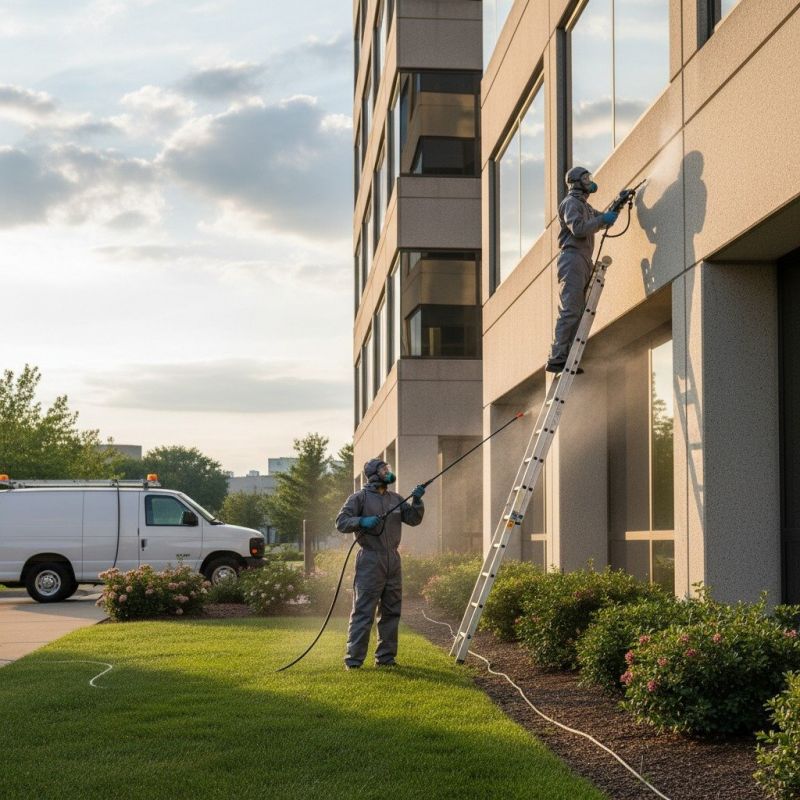
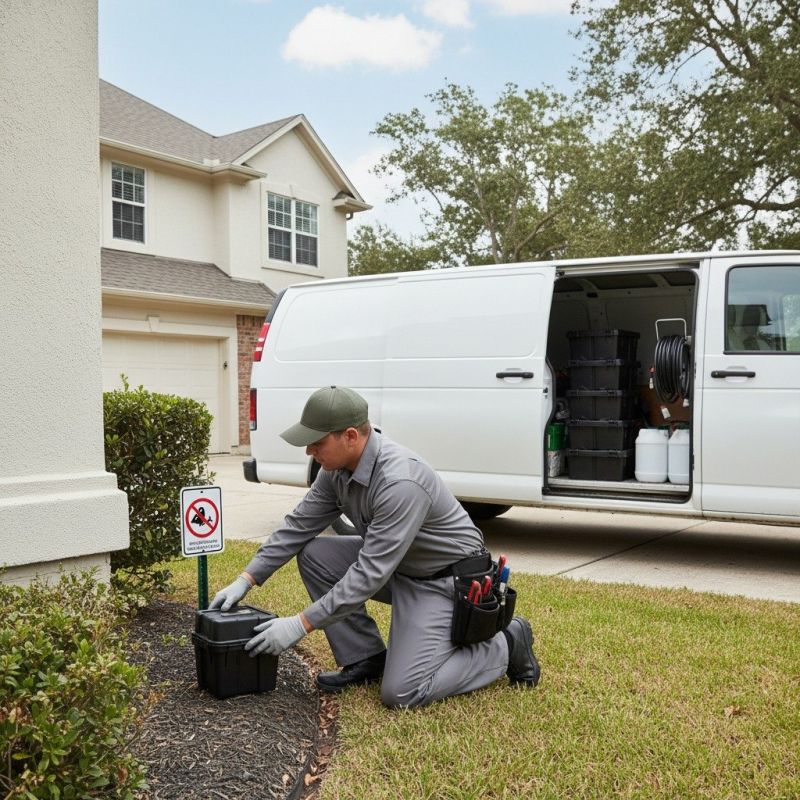
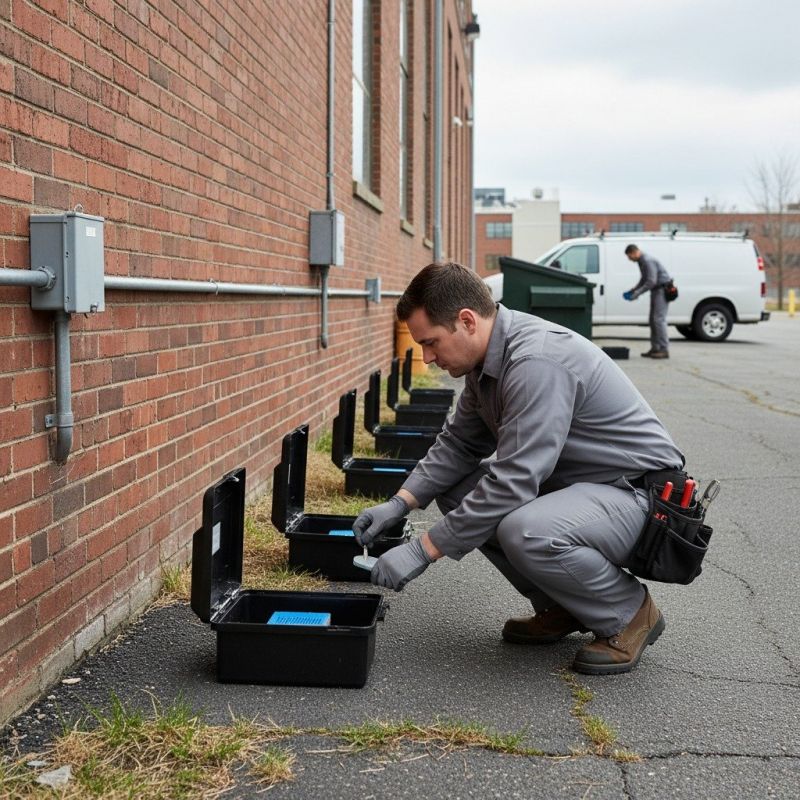
Residential pest control services involve professional treatments designed to eliminate and prevent common household pests. These services typically include thorough inspections to identify pest activity and entry points, followed by targeted treatments to remove pests such as ants, cockroaches, spiders, rodents, and other unwanted critters. Service providers may use a combination of baiting, trapping, and residual insecticides to ensure pests are effectively managed and do not return. Many residential pest control plans also include advice on reducing attractants and sealing entry points to help maintain a pest-free home over time.
These services are essential for addressing a variety of pest-related problems that can affect the comfort and safety of a home. Common issues include infestations of ants or cockroaches that invade kitchens and bathrooms, rodents nesting in attics or basements, or spiders establishing webs in corners. Pest control treatments can also help prevent the spread of germs and allergens associated with certain pests. Homeowners often seek these services when noticing signs of pests, such as droppings, gnaw marks, or unusual odors, or when dealing with recurring problems despite previous efforts.
Residential pest control is often used in single-family homes, townhouses, condominiums, and other private residences. These services are suitable for properties that experience pest activity or wish to prevent future infestations. Homes with easy access points, such as gaps around windows and doors or cracks in the foundation, are more prone to pest entry and may benefit from regular pest management. Additionally, properties located near wooded areas, water sources, or other environments conducive to pests might require ongoing treatments to keep pests under control and protect the indoor living space.
Homeowners should consider pest control services when they notice signs of pest activity or want to proactively protect their property. Common triggers include seeing pests in the home, noticing damage to furniture or belongings, or experiencing allergies or respiratory issues linked to pest allergens. These services can also be useful after renovations or moving into a new home to ensure the space is free of unwanted pests. Connecting with local contractors can help find the right pest management plan tailored to the specific needs of a property, providing peace of mind and a healthier living environment.
The overview below groups typical Residential Pest Control projects into broad ranges so you can see how smaller, mid-sized, and larger jobs often compare in your area.
In many markets, a large share of routine jobs stays in the lower and middle ranges, while only a smaller percentage of projects moves into the highest bands when the work is more complex or site conditions are harder than average.
Smaller Repairs - typical costs range from $150 to $400 for routine pest treatments like ants or spiders. Many projects fall within this middle range, reflecting standard service needs. Fewer jobs will push into the higher end for more extensive or recurring treatments.
Moderate Infestations - larger, more involved pest control services often cost between $400 and $1,200. These projects may include multiple visits or treatments for issues like cockroaches or bed bugs, which are common in this range.
Full Property Treatments - comprehensive pest control for entire homes usually costs $1,200 to $3,000. Such projects are less frequent but necessary for severe infestations or preventative measures across larger properties.
Full Replacement or Exclusions - the most extensive work, such as structural pest barriers or complete property overhauls, can reach $5,000 or more. These larger, complex projects are less common and involve significant planning and resources from local service providers.
Actual totals will depend on details like access to the work area, the scope of the project, and the materials selected, so use these as general starting points rather than exact figures.
Termite Inspection and Control - local contractors use similar inspection techniques and treatment tools to identify and eliminate termite infestations in residential properties.
Rodent Exclusion Services - professionals apply planning, sealing, and trapping methods comparable to those used in pest management for homes.
Bed Bug Treatment - pest control experts employ targeted treatment plans and equipment similar to residential pest control for effective bed bug removal.
Mosquito Control - local service providers utilize planning and application techniques akin to pest control to reduce mosquito populations around homes.
Spider and Insect Barrier Treatments - techniques for applying barriers and treatments are similar to those used in residential pest prevention strategies.
Wildlife Removal - professionals handle planning, trapping, and exclusion methods comparable to pest control services for nuisance animals.
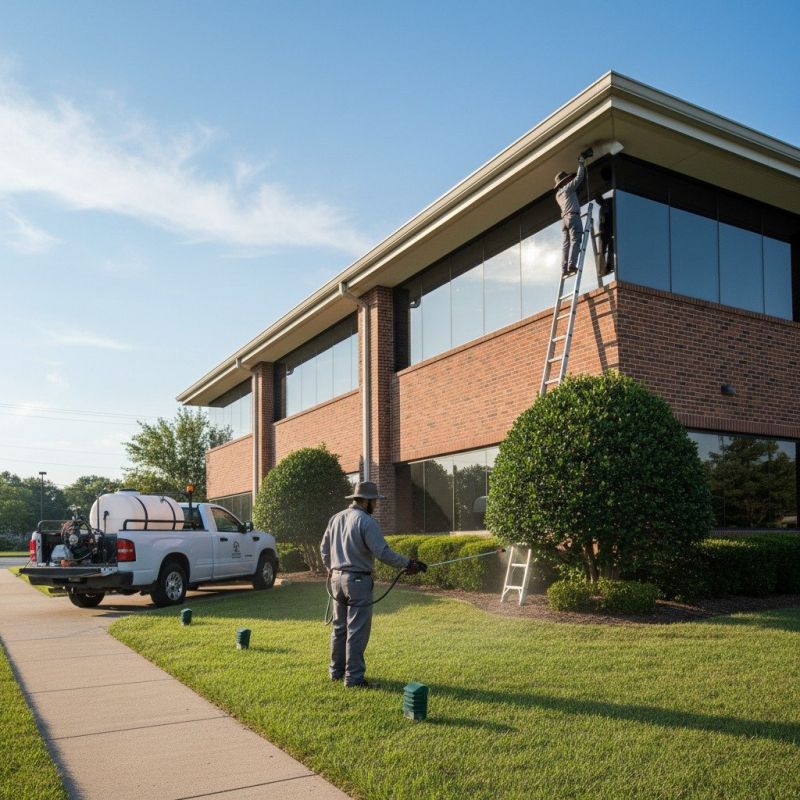
When evaluating potential service providers for residential pest control, it’s important to consider their experience with similar projects. Homeowners should inquire about how long a local contractor has been handling pest issues comparable to their own, such as dealing with specific pests or working within homes of similar size and layout. An experienced professional is more likely to understand the nuances of effective pest management and to have developed reliable methods tailored to common local problems, which can lead to more effective and efficient service.
Clear written expectations are essential for a successful pest control experience. Homeowners should seek service providers who can provide detailed descriptions of their recommended treatments, including what the process entails, any preparations needed, and what results to expect. Having this information in writing helps ensure everyone is aligned on the scope of work and helps prevent misunderstandings. It’s also beneficial to request reputable references or reviews from previous clients to gauge the quality of the contractor’s work and their professionalism.
Good communication is a key factor when choosing local contractors for pest control services. Service providers who are responsive, transparent, and willing to answer questions can make the process smoother and more predictable. Clear communication also involves being upfront about any limitations or considerations related to the pest issue, so homeowners can make informed decisions. Remember, this site introduces homeowners to local options for pest control; it does not perform the work itself. Connecting with reputable, experienced, and communicative service providers can help ensure the pest management process is handled effectively and professionally.
Property owners use Residential Pest Control services for practical projects around their homes and businesses. This guide focuses on everyday jobs and straightforward project options.
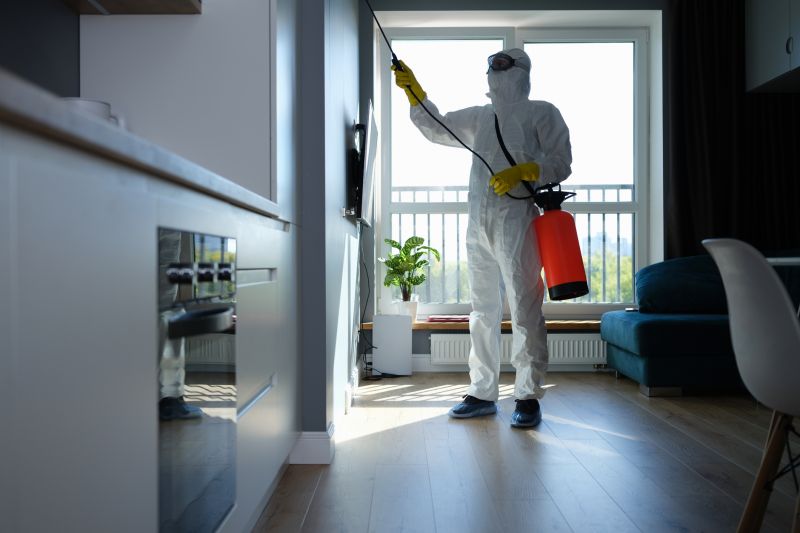
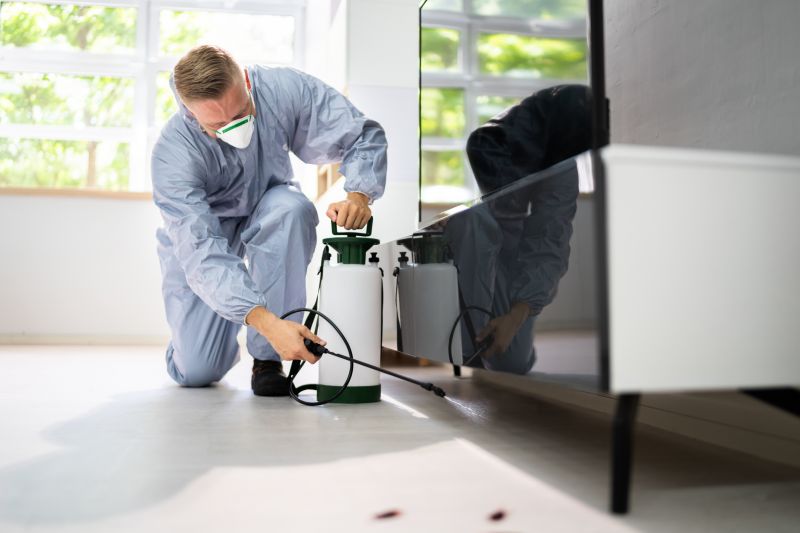
Residential pest control services are often needed when property owners notice unwanted insects or rodents in their homes. Common situations include discovering signs of pests in kitchens, basements, or attics, or experiencing increased activity around the property. Local contractors can help address these issues efficiently, providing solutions to protect homes and maintain a comfortable living environment.
Homeowners may seek pest control services to prevent infestations from becoming more severe or to eliminate pests that threaten the integrity of the property. Whether dealing with recurring problems or urgent concerns, local service providers are equipped to handle a variety of residential pest issues, helping to keep homes safe and pest-free.
What pests do residential pest control services typically cover? Residential pest control services usually address common pests such as ants, spiders, cockroaches, termites, rodents, and bed bugs, depending on the local service providers available in the area.
Are residential pest control treatments safe for children and pets? Many local contractors use treatment methods that are safe for households with children and pets, but it’s advisable to discuss specific concerns with the service provider before scheduling treatments.
How do local pros identify pest infestations in homes? Pest professionals typically conduct thorough inspections of the property, looking for signs of pests, entry points, and conditions that attract pests to determine the extent of the infestation.
What methods are commonly used in residential pest control? Common methods include targeted applications of insecticides, baiting, trapping, and exclusion techniques to effectively manage and prevent pests from returning.
Can residential pest control services prevent future infestations? Yes, many service providers offer ongoing treatment plans or advice on preventative measures to help reduce the likelihood of future pest problems.
Preventing Pests in Food Storage Areas - Property owners can have local contractors inspect and treat kitchens, pantries, and storage spaces to reduce the risk of pest infestations.
Managing Outdoor Pest Problems - Homeowners can arrange for local service providers to treat yards, gardens, and outdoor structures to keep pests away from the property.
Protecting Entry Points - Property owners can have local pros seal gaps, cracks, and openings around doors and windows to prevent pests from entering.
Addressing Common Household Pests - Homeowners can schedule treatments for common pests like ants, roaches, or spiders to maintain a pest-free living environment.
If you are thinking about Residential Pest Control for a property, this guide is meant to help you understand the work, the typical project types, and how different options might fit your plans.
When you are ready, you can use the quote form on this page to share a few details about your project. From there, local pros can review the basics and respond with options that match what you have in mind.